
 Gabriel García Márquez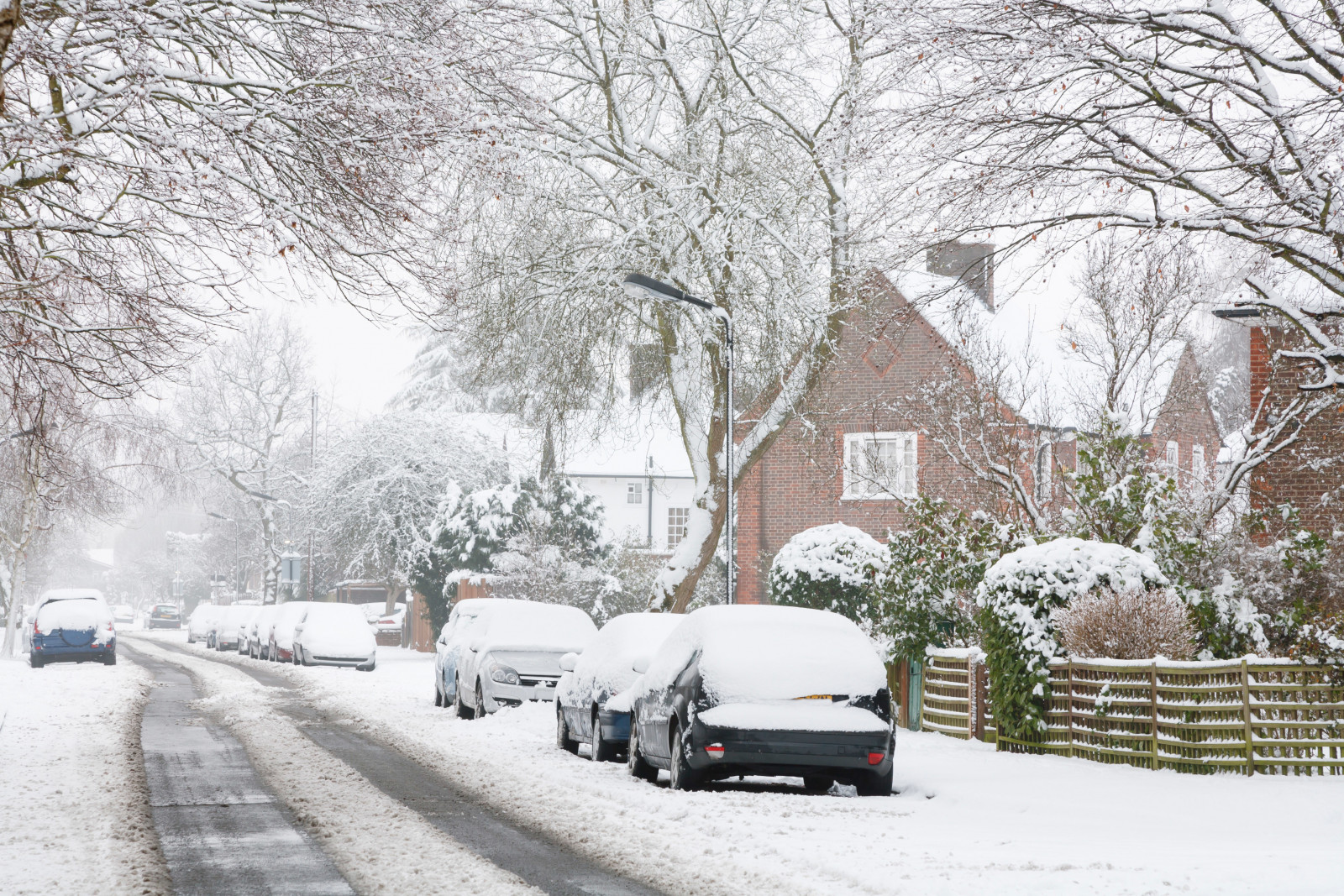
The lights go out. The heating stops. Outside, the storm is getting worse. In that moment, a generator is not a luxury — it is everything. But a generator that has not been properly prepared is just a heavy lump of metal sitting in your garage.
Most people only think about their generator when the power is already gone. That is too late. Working through a proper winter storm generator checklist before bad weather arrives is the difference between staying warm and safe, and being left in the cold with a machine that will not start. A complete winter storm generator checklist takes less time than you think, and the peace of mind it brings is well worth the effort.
This guide walks you through everything you need to do. Step by step. Before the storm reaches your door.
Start With a Full Inspection
Before anything else, give your generator a thorough once-over. Look at the outside of the unit first. Check for any visible damage — cracks, rust, or loose fittings. If something looks wrong before you even start it, get it looked at by a professional straight away.
Next, check the oil level. Cold weather thickens oil, which makes it harder for the engine to turn over. If the oil is low or has not been changed in a while, top it up or replace it entirely. Always use the grade of oil recommended in your owner’s manual.
Check the air filter too. A dirty or blocked air filter will stop the engine from running properly. If it looks grey or clogged, replace it before winter arrives. This is a small job that makes a big difference.
Test Run It Before You Need It
This step is one that far too many people skip. Running your generator for twenty to thirty minutes under load before a storm is absolutely essential. It tells you the machine works, and it also circulates the oil and charges the battery.
If the generator does not start, stutters, or cuts out during the test run, you still have time to get it fixed. That is the whole point. Discovering a problem during a test is manageable. Discovering it during a blizzard is not.
Fuel: Store Enough, Store It Right
Running out of fuel in the middle of a storm is an avoidable disaster. Before winter arrives, make sure you have an adequate supply of fuel stored safely.
Petrol degrades over time, especially when left sitting in a can for months. Add a fuel stabiliser to your stored petrol to keep it fresh and prevent it from gumming up the engine. Shake the can gently after adding the stabiliser to mix it through.
Check Your Extension Leads and Connections
Your generator is only as useful as your ability to connect things to it. Inspect all extension leads before winter arrives. Look for fraying, cracks in the casing, or damaged plugs. A damaged lead is a fire risk — replace it rather than ignore it.
Use leads that are rated for outdoor use and capable of handling the load you plan to put through them. Undersized leads can overheat, which is dangerous. Always check the wattage rating on the lead and compare it to what you are planning to power.
Safe Placement Is Non-Negotiable
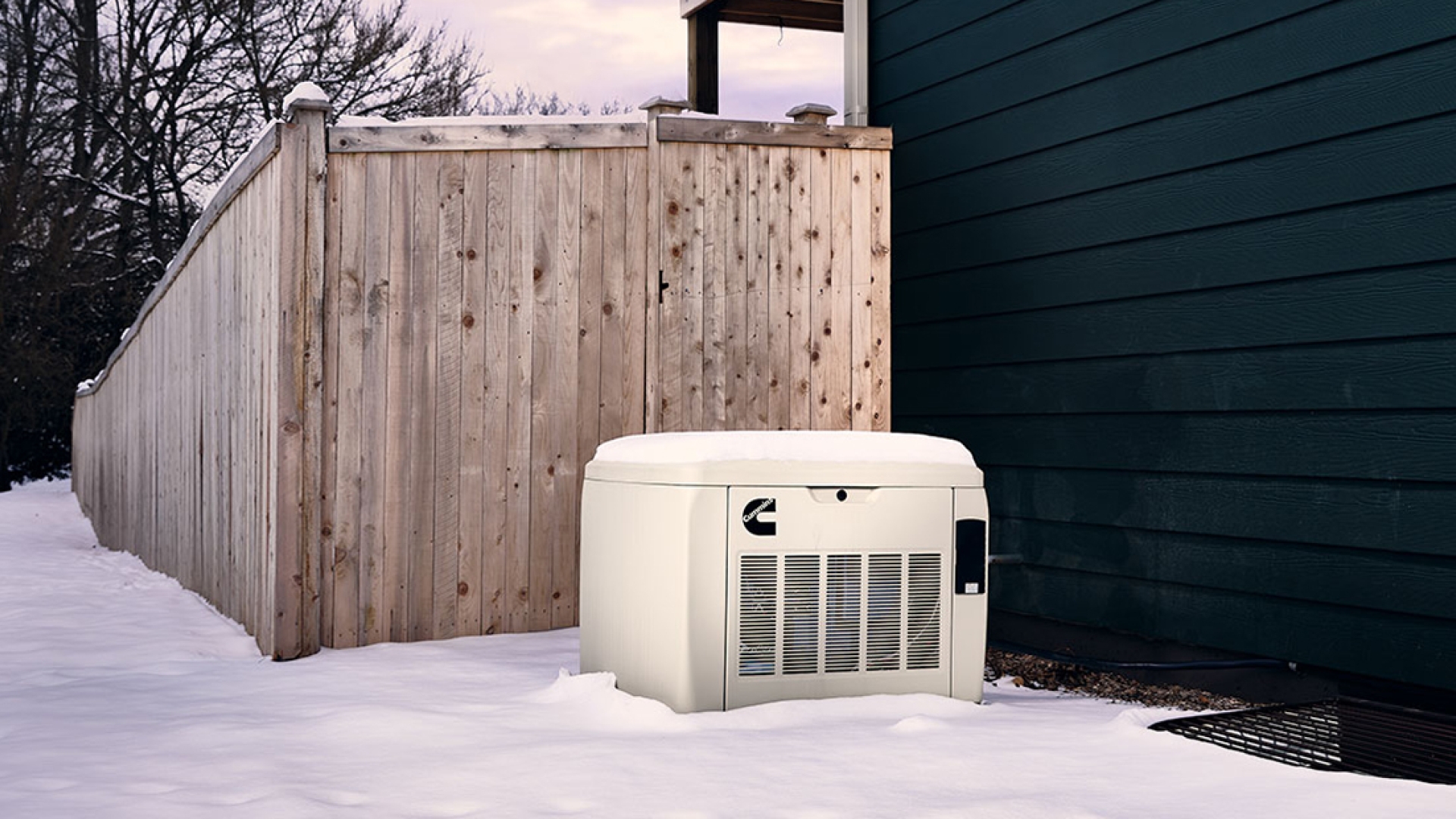
Where you place your generator during use is just as important as how well you have maintained it. Generators produce carbon monoxide — an odourless, colourless gas that is extremely dangerous.
Never run a generator indoors, in a garage, or under a covered porch. Position it at least six metres away from doors, windows, and vents. Point the exhaust away from the house. Even in heavy rain or snow, safe placement cannot be compromised.
Protect Your Generator From the Cold Itself
Cold temperatures can affect how your generator starts and runs. Keep this in mind when planning for winter use.
If your generator has a battery-powered electric start, cold weather can drain the battery quickly. Keep it charged and, if possible, store the unit somewhere sheltered — a shed or outbuilding works well — so it is not sitting in sub-zero temperatures before you need it.
Frequently Asked Questions
How far in advance should I prepare my generator before a storm?
Ideally, prepare your generator at the start of the autumn season, well before winter arrives. Giving yourself several weeks of lead time means you have time to source spare parts or arrange repairs if you discover a problem during your checks.
How long can I run a generator continuously?
Most portable generators are designed to run for eight to twelve hours on a full tank. It is good practice to allow the engine to cool for a short period before refuelling. Always consult your owner’s manual for the specific guidance that applies to your model.
Can I run a generator in the rain or snow?
You should never run a generator without protection from the elements, but it must never be moved indoors to shelter it. Use a purpose-built generator canopy or tent that allows adequate airflow while keeping rain and snow off the unit. Always follow the manufacturer’s guidelines.
What should I do if my generator will not start during a storm?
Check the fuel level first, then the oil. If both are fine, check that the choke is in the correct position and that the fuel valve is open. If the unit still will not start, do not persist indefinitely — call a professional.
Conclusion
A generator that is ready for winter is one of the most valuable things you can have when a storm rolls in. However, readiness does not happen on its own. It takes a little time, a little effort, and a clear plan before the bad weather arrives.
Work through your checks methodically. Test it, fuel it, inspect every connection, and always place it safely. When the storm comes — and it will — you will be glad you did not leave it to chance.